Women entrepreneurs in Taiwan have been increasing in number in recent years. They demonstrate distinctive ways of operating their businesses and hold different perspectives on how success is defined. However, throughout their entrepreneurial journeys, many still face gender bias, difficulties in accessing resources and funding, balancing family responsibilities. These obstacles have yet to be systematically explored and documented.
Her Attitude Taiwan Women Entrepreneurs Empowerment Association partnered withThe Social Investment Consultancy(TSIC )conduct the 2025 Taiwan Women Entrepreneurship Survey, aiming to gain a comprehensive understanding of the current landscape of women entrepreneurs in Taiwan. The survey not only examines industry types, enterprise scale, and operational performance, but also explores women entrepreneurs’ values, lifestyles, and the challenges they face in relation to gender roles.
We hope this study will highlight the diversity and genuine needs of women entrepreneurs, offering valuable insights for policymakers, HR teams, and sustainability departments to build more inclusive support systems. We seek to bring together like-minded partners in shaping an ecosystem that embraces innovation, social impact, and gender inclusivity.
This study uses both quantitative and qualitative methods.
targeting women entrepreneurs from across Taiwan.
A total of 400 valid questionnaires were collected
and in-depth interviews were conducted with 8 experienced women entrepreneurs.
Covers a diverse range of industries and businesses of varying sizes.
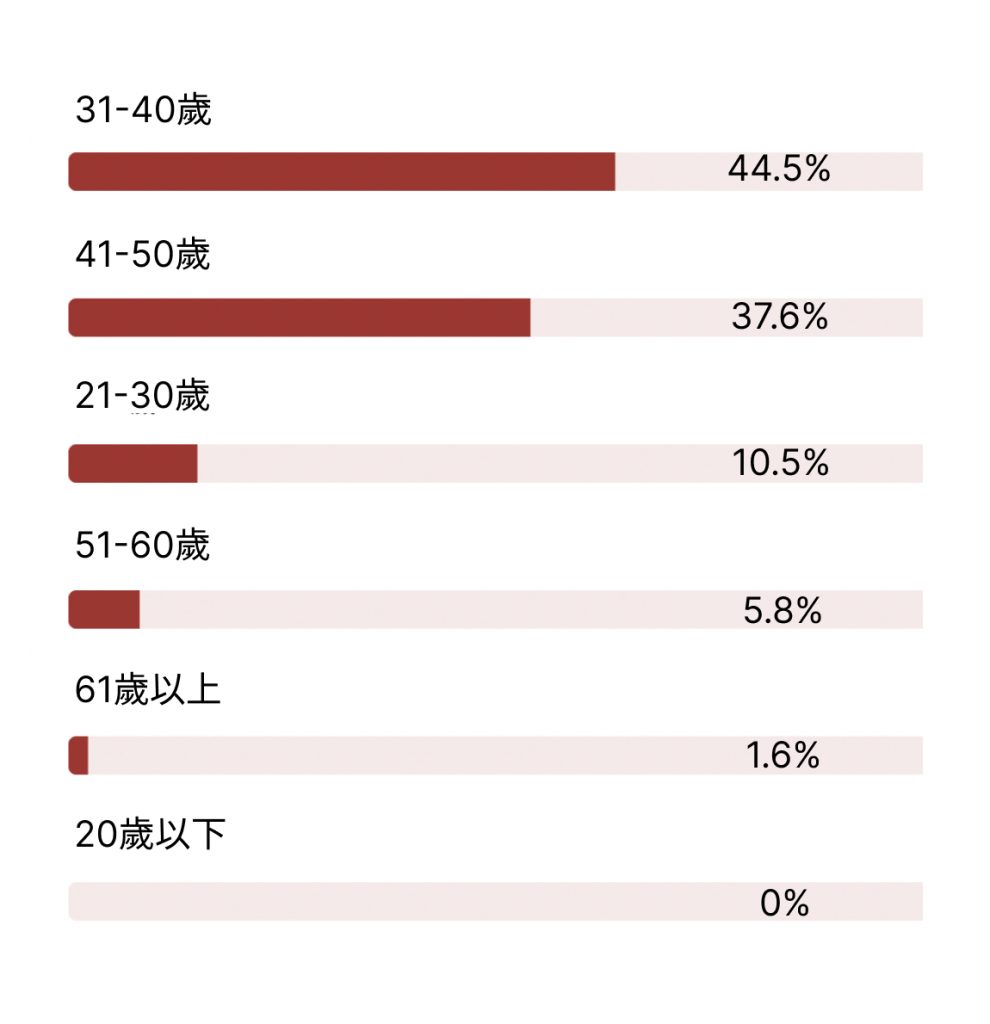
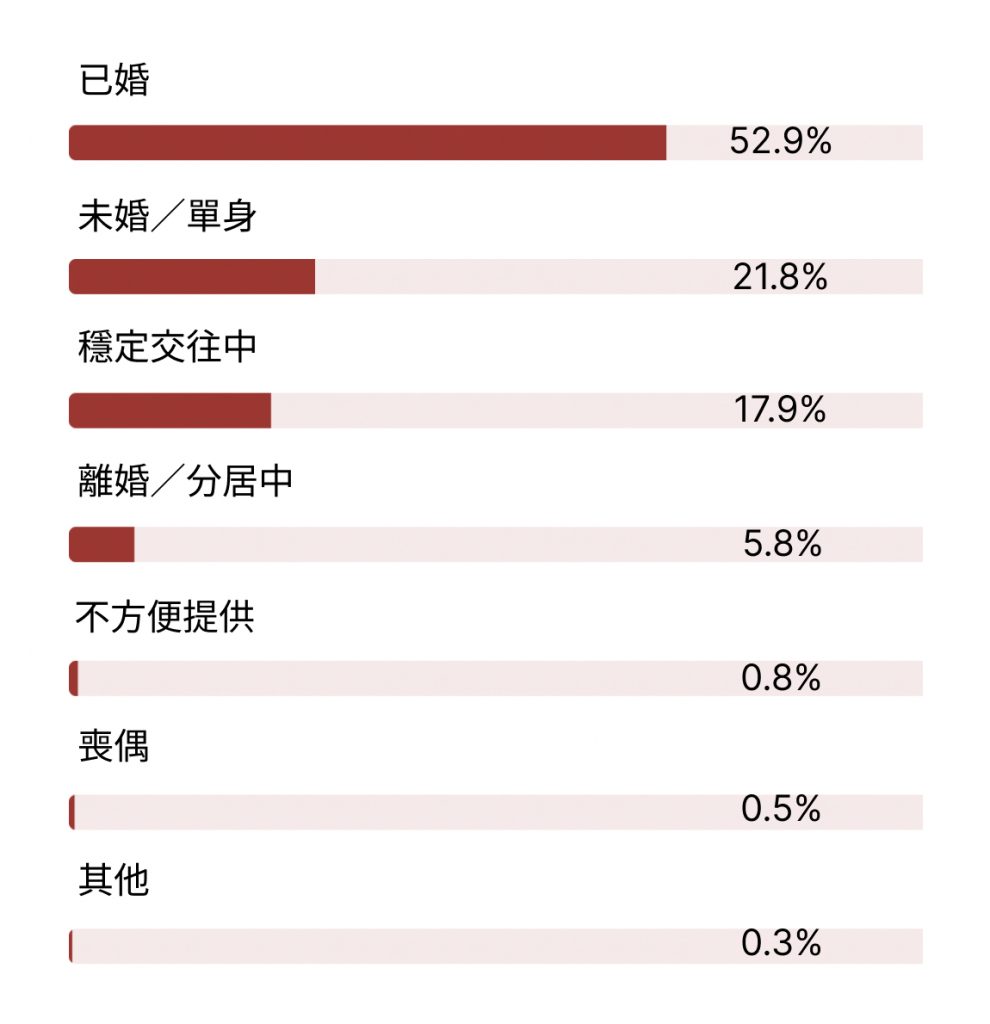
Participant Profile
Age
Marital Status
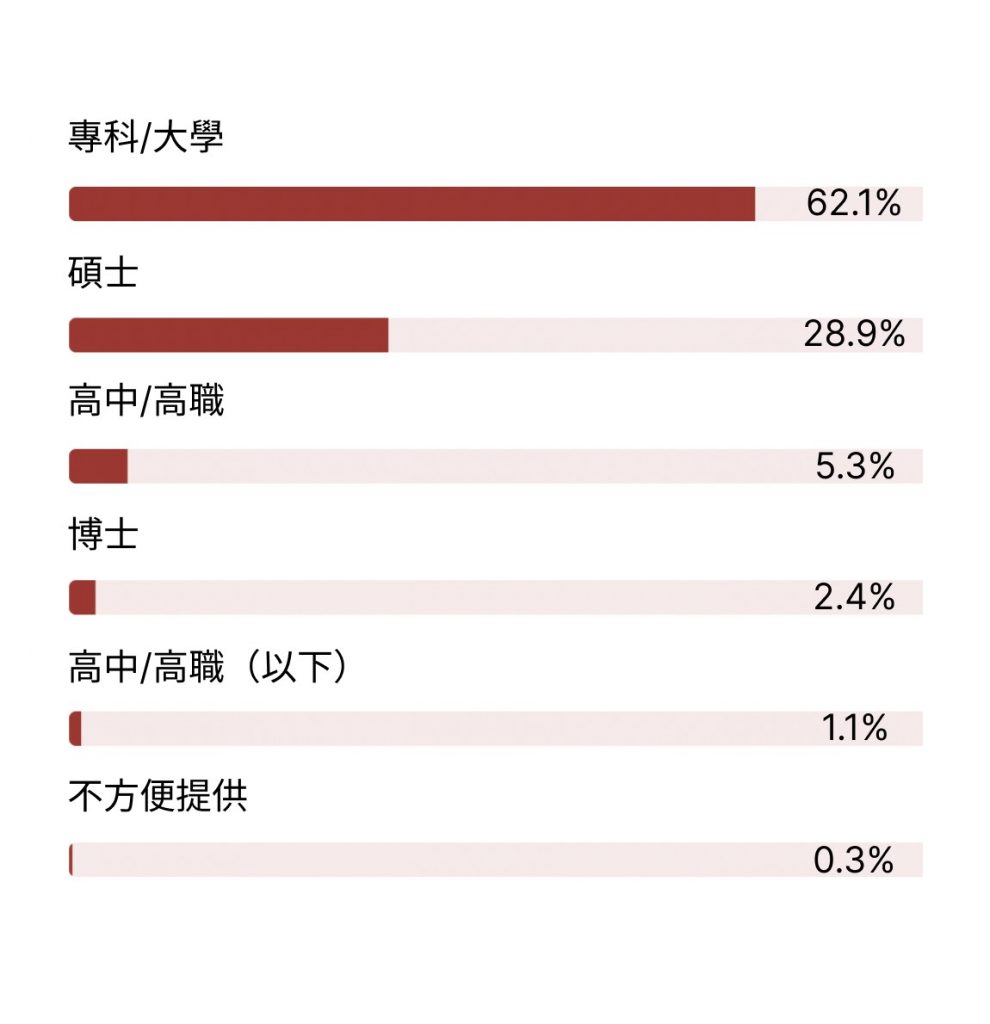
Educational Background
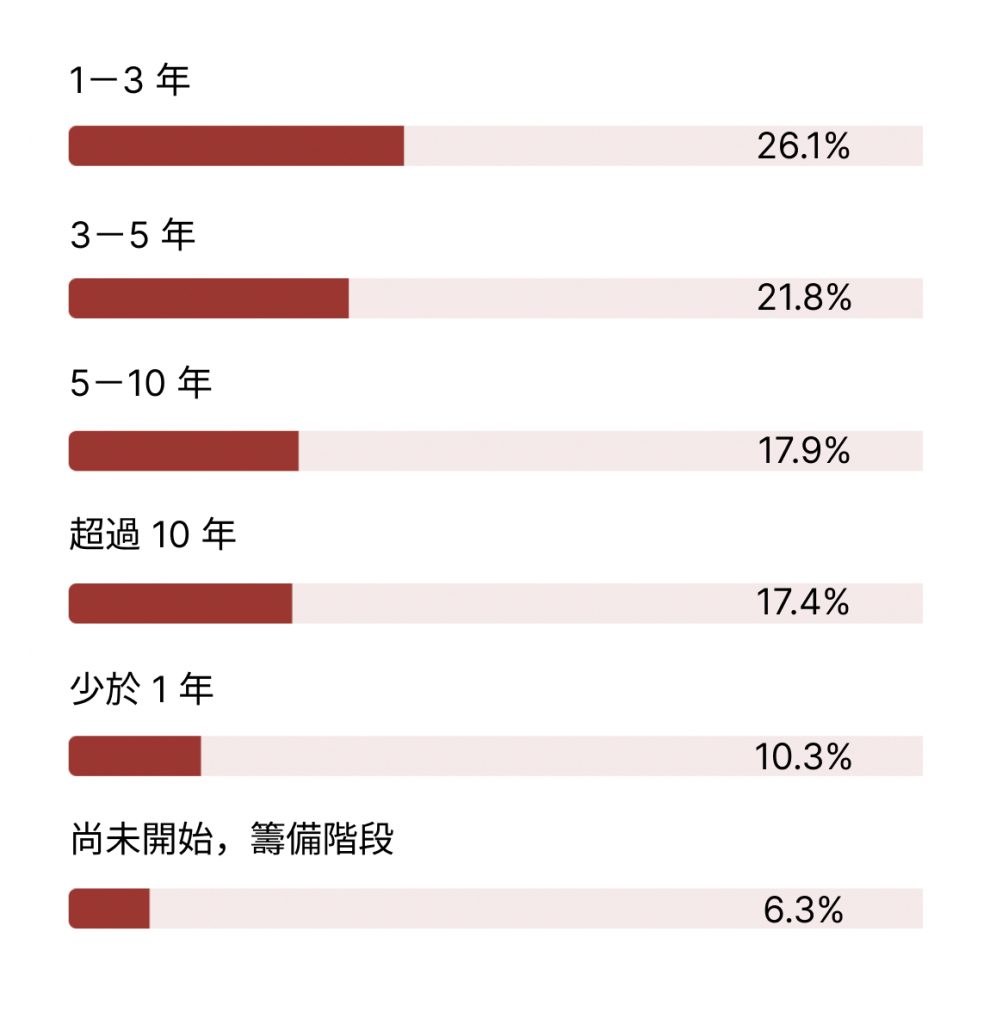
Business Stage
Micro Business and Personal Brand which is gradually replacing the traditional value of scale in defining business success
微型創業與個人品牌經濟 which is gradually replacing 企業規模取勝的創業邏輯
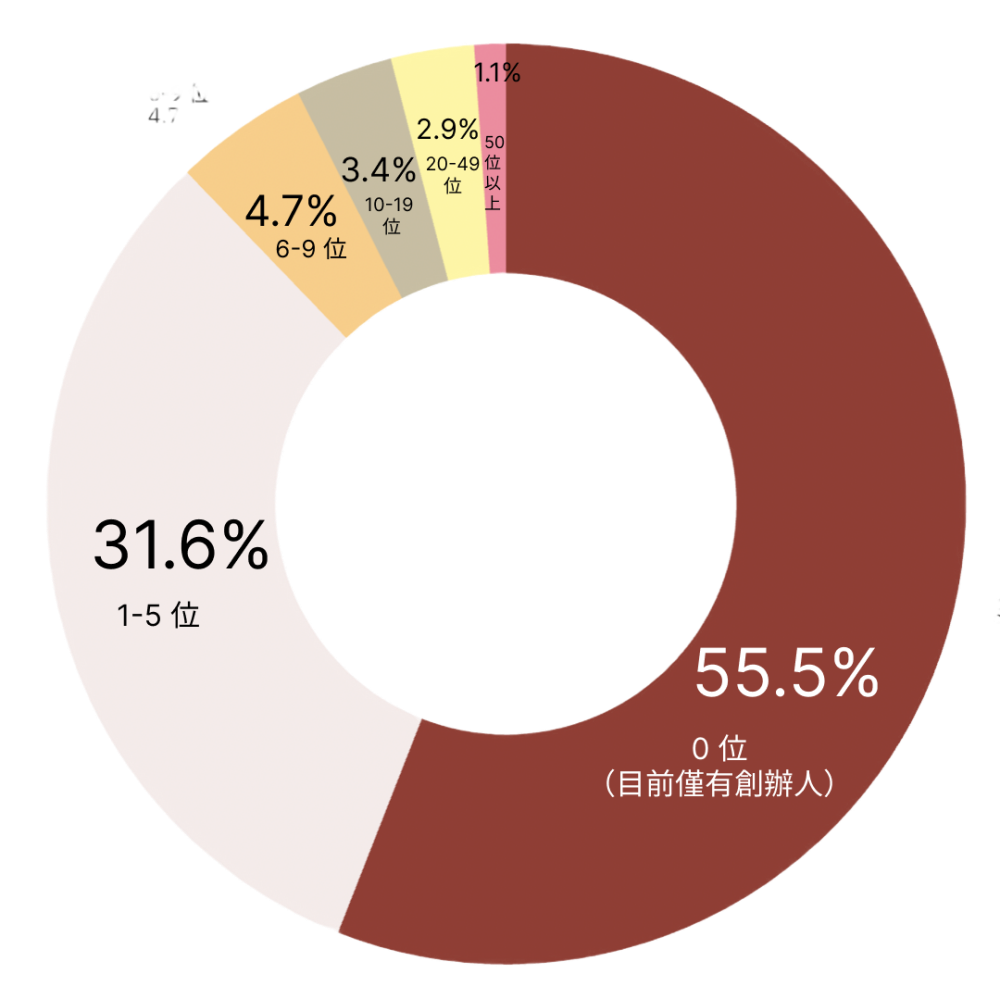
How many paid staff members do you currently have (full-time and part-time)?
With lower barriers to starting a business, solo entrepreneurship is on the rise and is becoming a key part of the entrepreneurial ecosystem.
Organizational structures are being reshaped
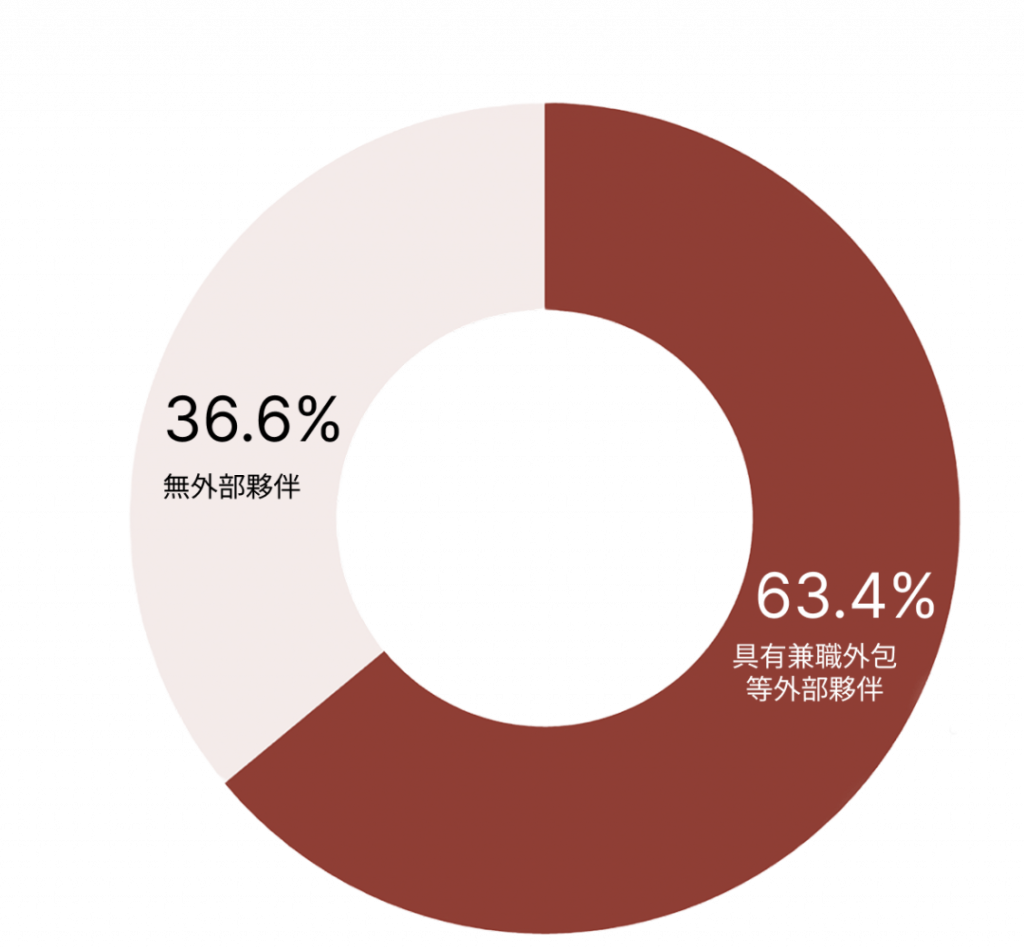
Q: Beyond your internal team members, do you work with long-term external partners such as part-time staff, consultants, or freelancers?
They are no longer bound by fixed offices or conventional employment structures, but are made up of diverse professionals who collaborate flexibly based on the tasks at hand.
The traditional employment model is rapidly shifting towards a new organizational approach centred on collaborative relationships.
Taiwan Women Entrepreneur Spotlight | Angela, Founder of Ness
Taiwan’s entrepreneurial environment is slowly being reshaped by female founders themselves
driving a gentle transformation
台灣的創業環境
正在透過女性自主力量
慢慢推進一場
柔韌而堅定的變革
Q: Research shows that the proportion of female entrepreneurs in Taiwan is increasing. What do you think are the main reasons for this trend?
The growth of female founders
is driven by social and cultural momentum,
rather than policy.
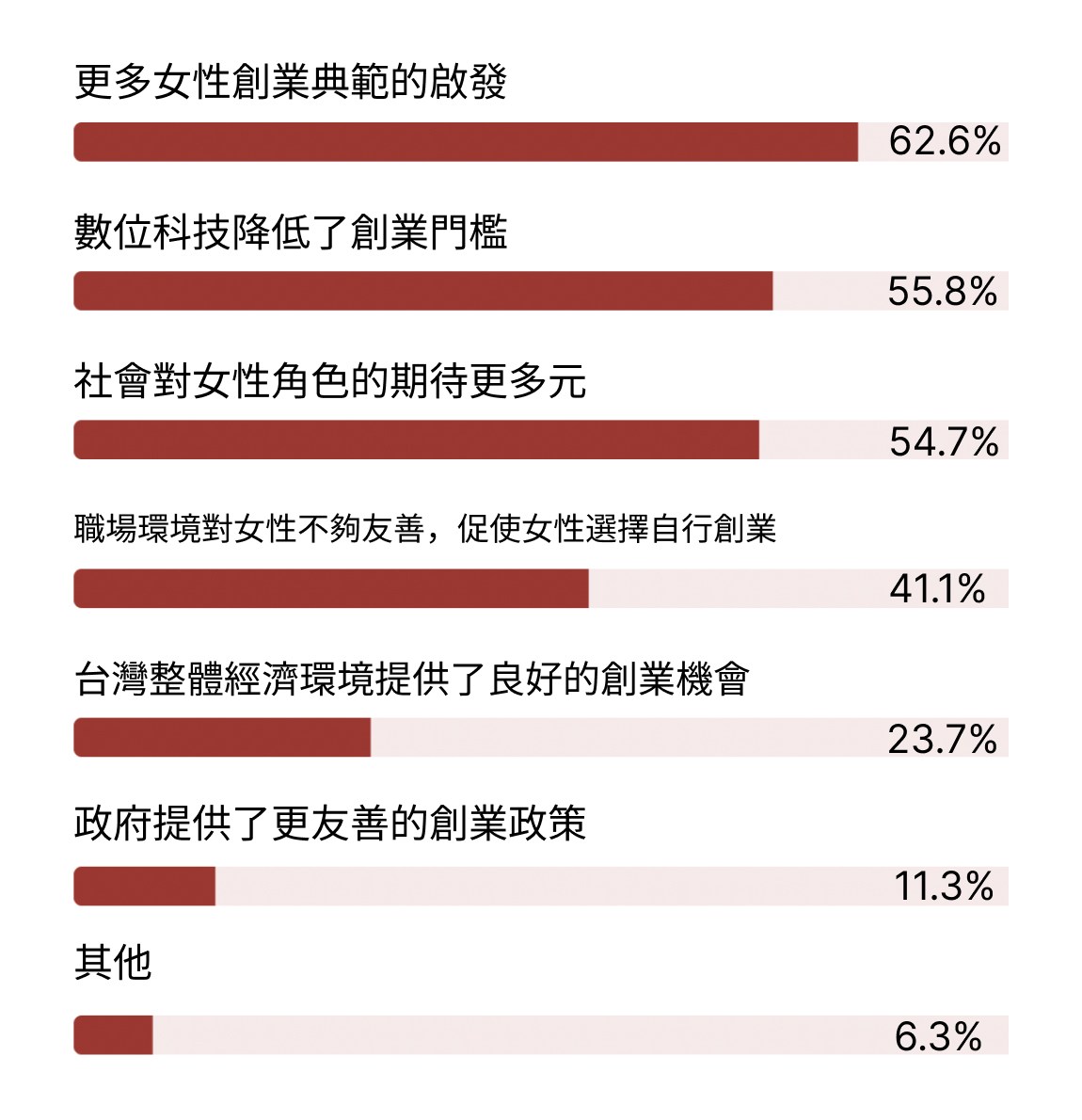
The survey shows that the motivations behind women’s entrepreneurship are not driven by any single policy or economic condition, but are influenced more by thegrowing awareness of women’s independence。
The majority of respondents indicated that the increase in female entrepreneurial role models and the widespread adoption of digital technologies are the primary drivers, that lowered barriers and making entrepreneurship more accessible to women.
Meanwhile, the strong emphasis on “diverse role expectations” suggests that society’s perceptions of women’s roles are gradually shifting, giving women more freedom to pursue entrepreneurship.
In contrast, fewer than25%of respondents cited government policies or the overall economic environment as key drivers.Female entrepreneurship appears to be driven more by bottom-up effortsthan by government policy.
Taiwan Women Entrepreneur Spotlight | Xiao Ping, Youcome Postpartum Care Center
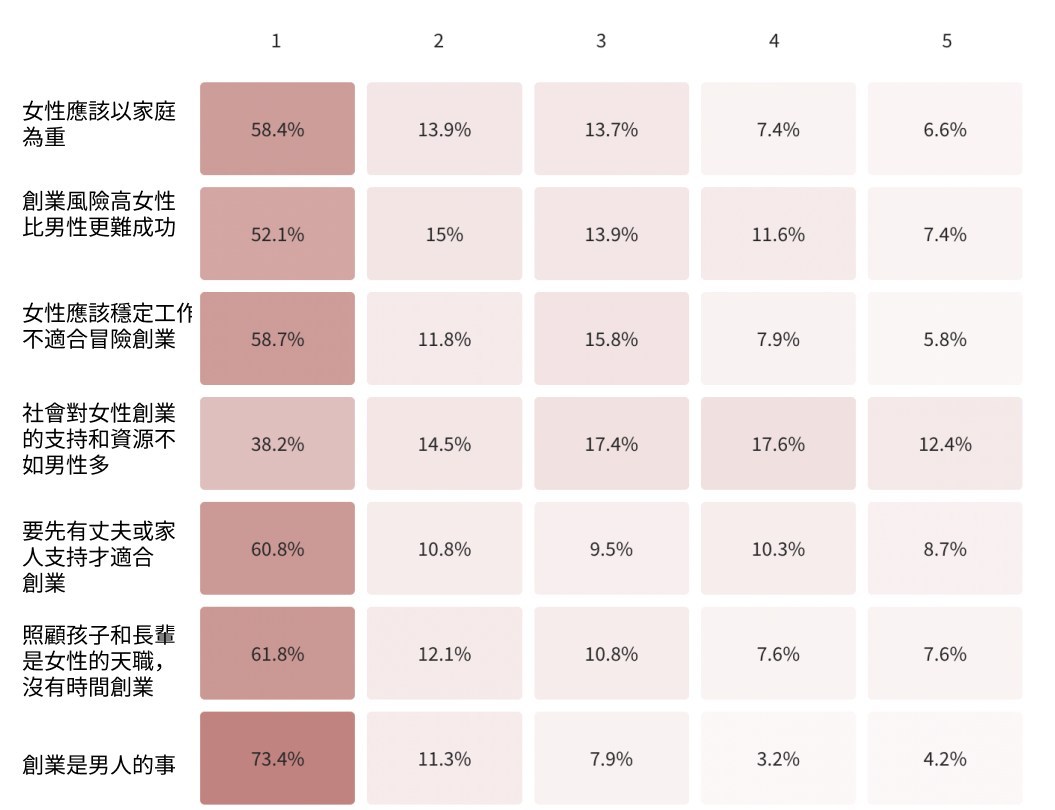
Q: How much impact do the following common cultural norms have on you when starting a business?
The traditional stereotypes of women
are no longer the chains
restraining female entrepreneurship in Taiwan
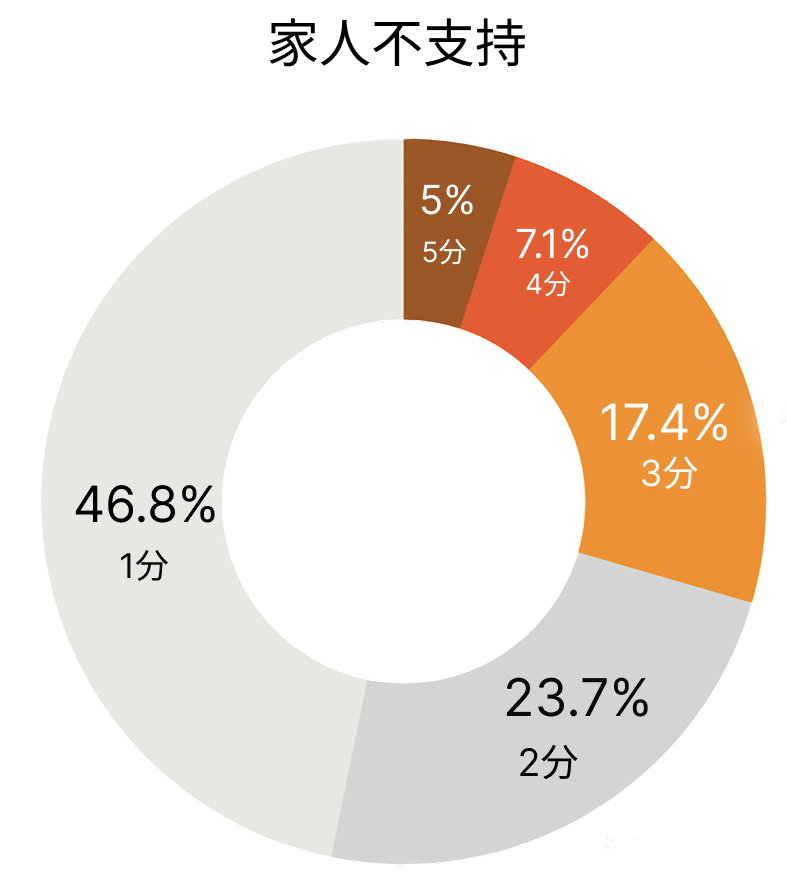
For each item measuring gender bias,the highest proportion of responses fell under “1 point (no impact at all),”Among the statements “Entrepreneurship is only for men,” “Women are responsible for caregiving and therefore have no time to start a business,” “Women should have family support before starting a business,” and “Women are too emotional to be good leaders,” over 60% of respondents selected “no impact at all.”This shows that self-identity and family role–related biases have minimal effect on most female entrepreneurs, who are generally free from traditional constraints.。
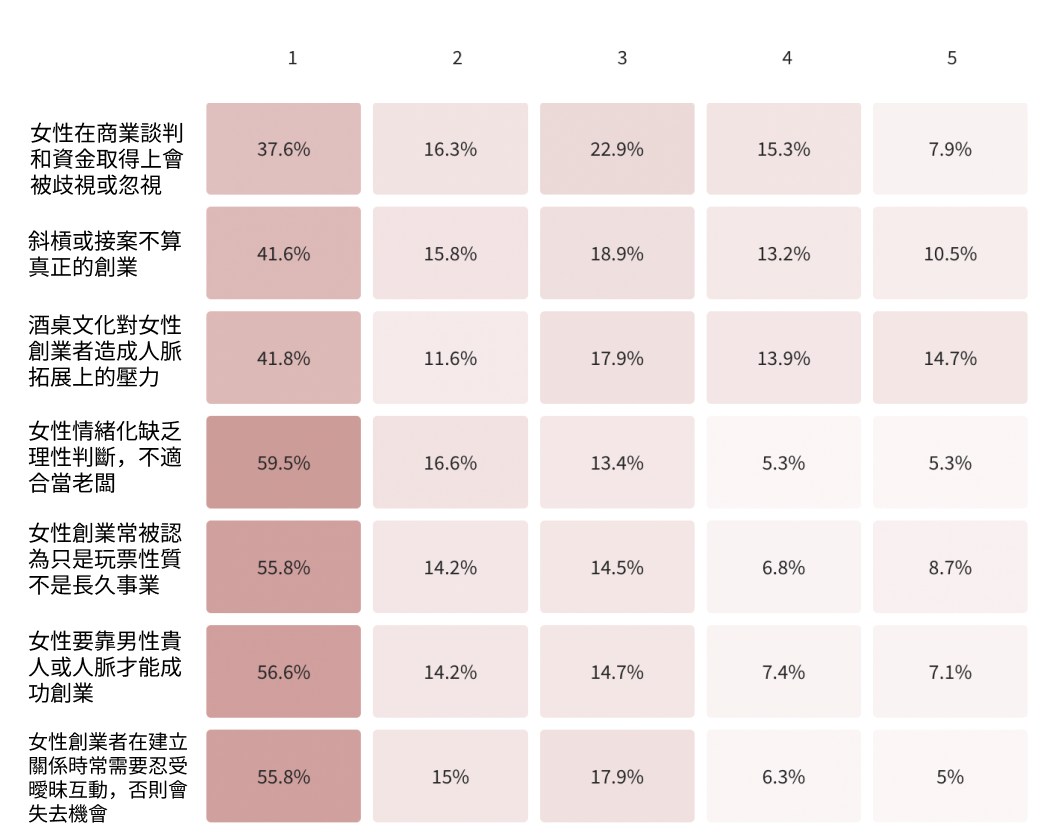
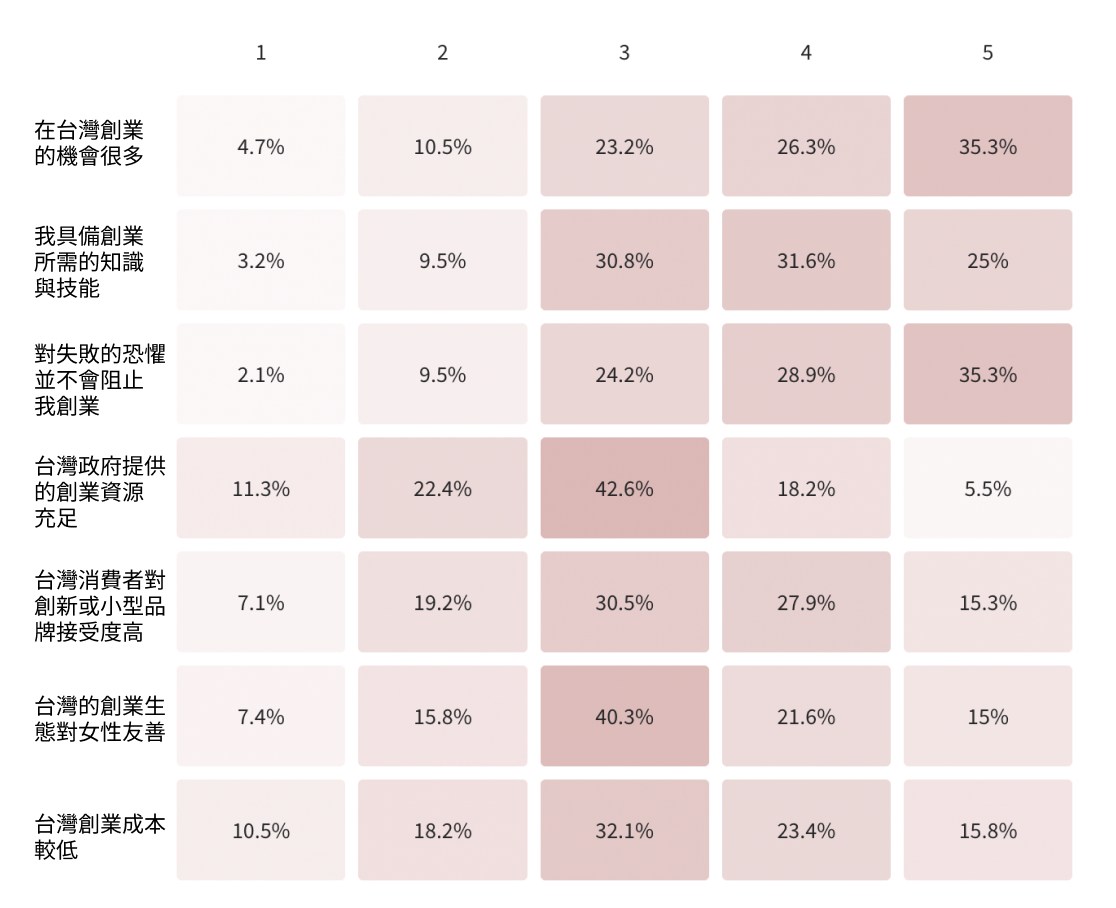
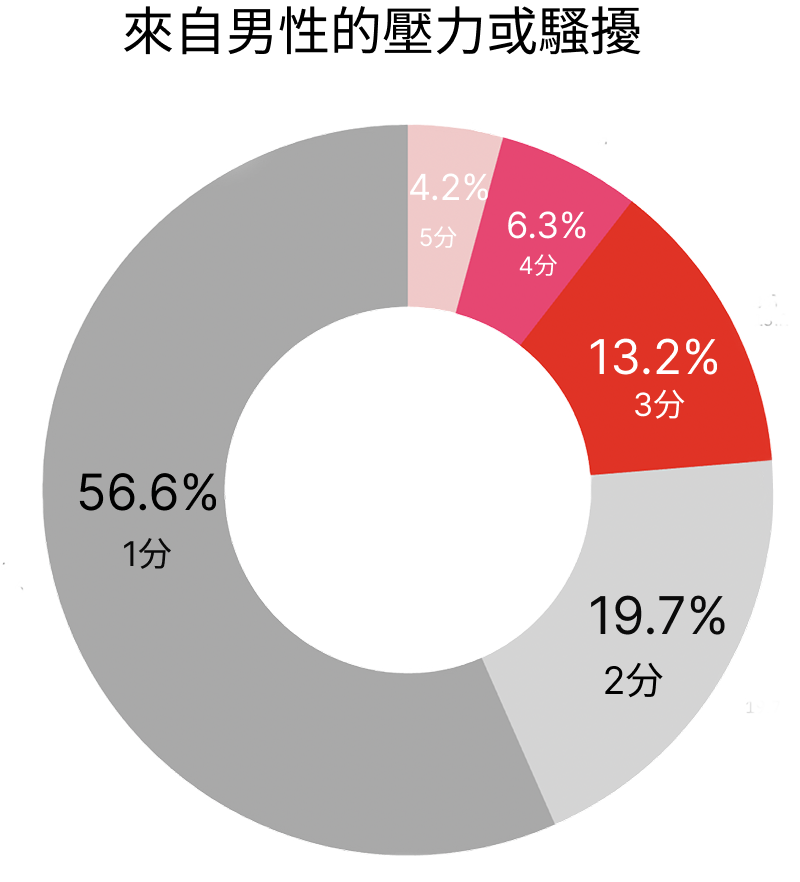
However,When it comes to access to business resources and networking, some women still experience notable bias.Looking at the proportion of 4–5 point responses:
Approximately 28.6% of respondents reported that business drinking culture brings pressure for women entrepreneurs, limiting their participation and networking opportunities.
Approximately 29.9% of respondents indicated that women entrepreneurs receive less support and fewer resources compared to men.
Approximately 23.1% of respondents reported being overlooked in business negotiations and funding opportunities.
Approximately 23.6% of respondents indicated that freelancing or side hustles are often perceived as not real entrepreneurship.
Although women are breaking free from traditional ideas about their personal and family roles,they still face structural barriers when it comes to accessing resources and expanding their networks,emphasising the need for stronger support from policymakers, investors, and other relevant stakeholders.
Taiwan Women Entrepreneur Spotlight | Jennifer Pai, Founder and CEO at ARPlanet Digital
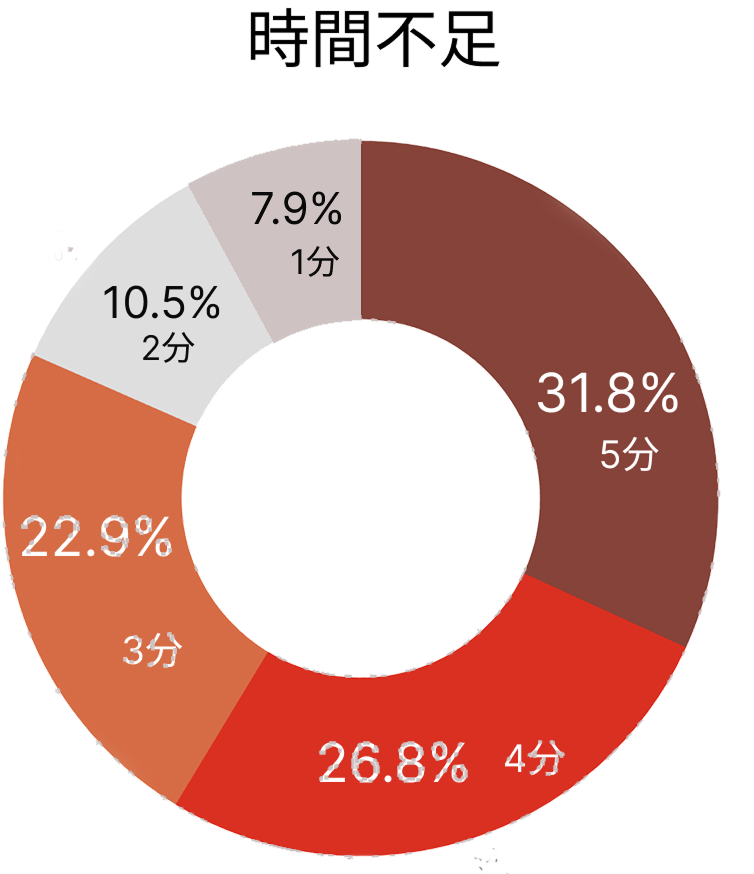
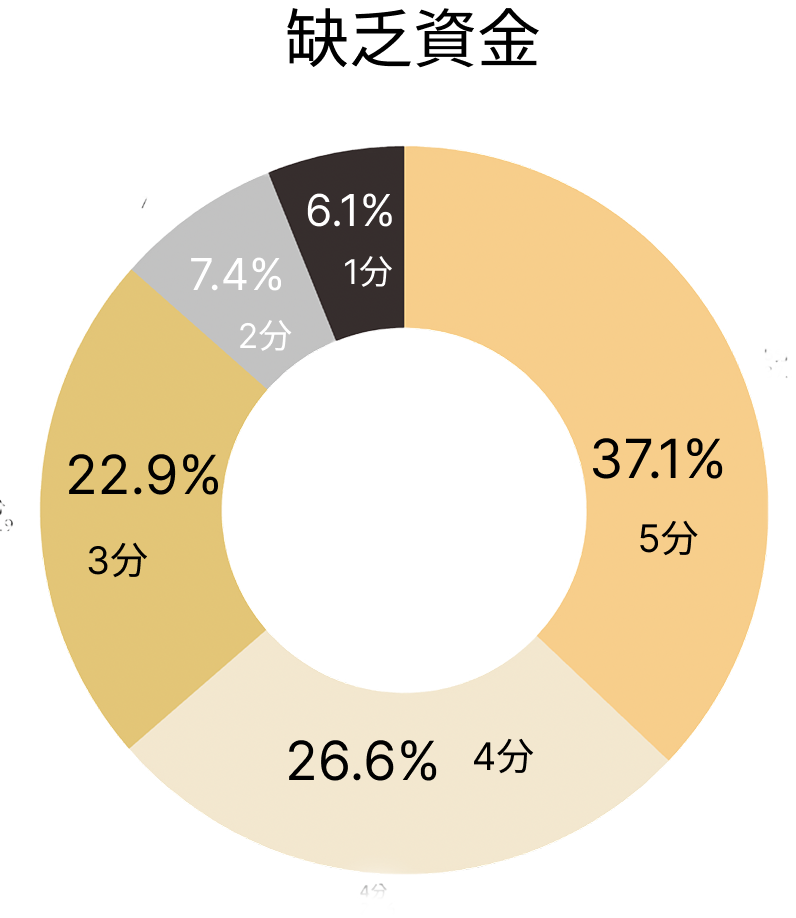
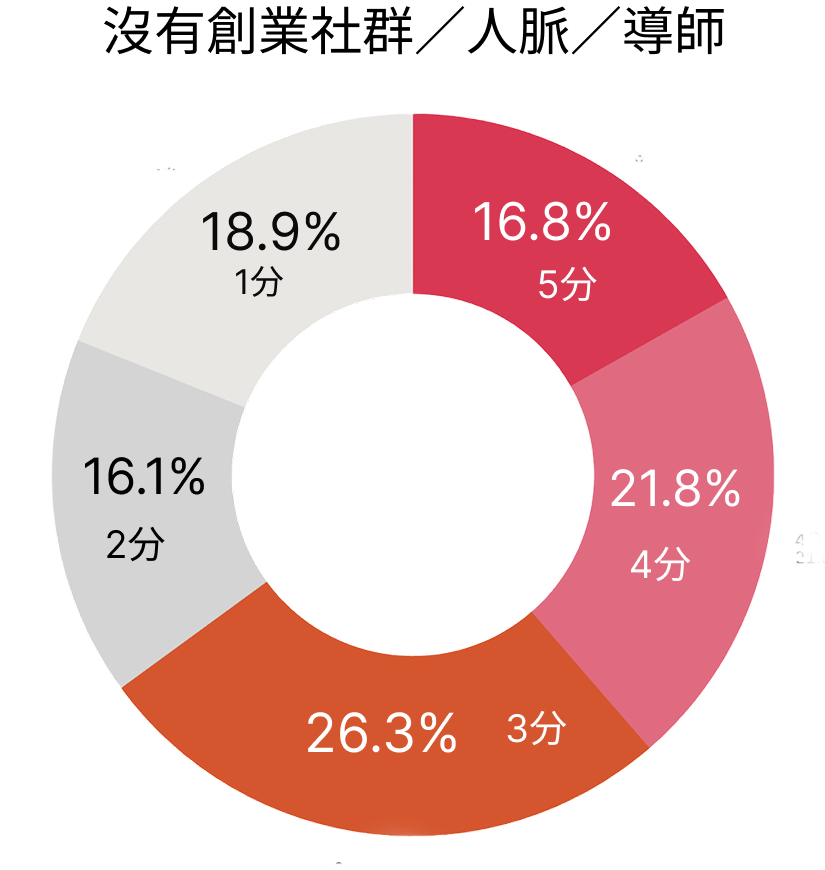
Based on the data from “How challenging are the following factors for you?”ratings of 3 to 5 were high among respondents.This indicates that,even as traditional gender stereotypes gradually diminish, female entrepreneurs still face structural challenges in their operations.difficulty securing funding, limited access to mentorship, exclusion from professional networks.等面向,仍存在明顯的不對等現象。
Entrepreneurship is not only about earning money; it is also a way to self-fulfillment and finding meaning in life
創業不只為了錢 更是自我實現 與生活意義的選擇
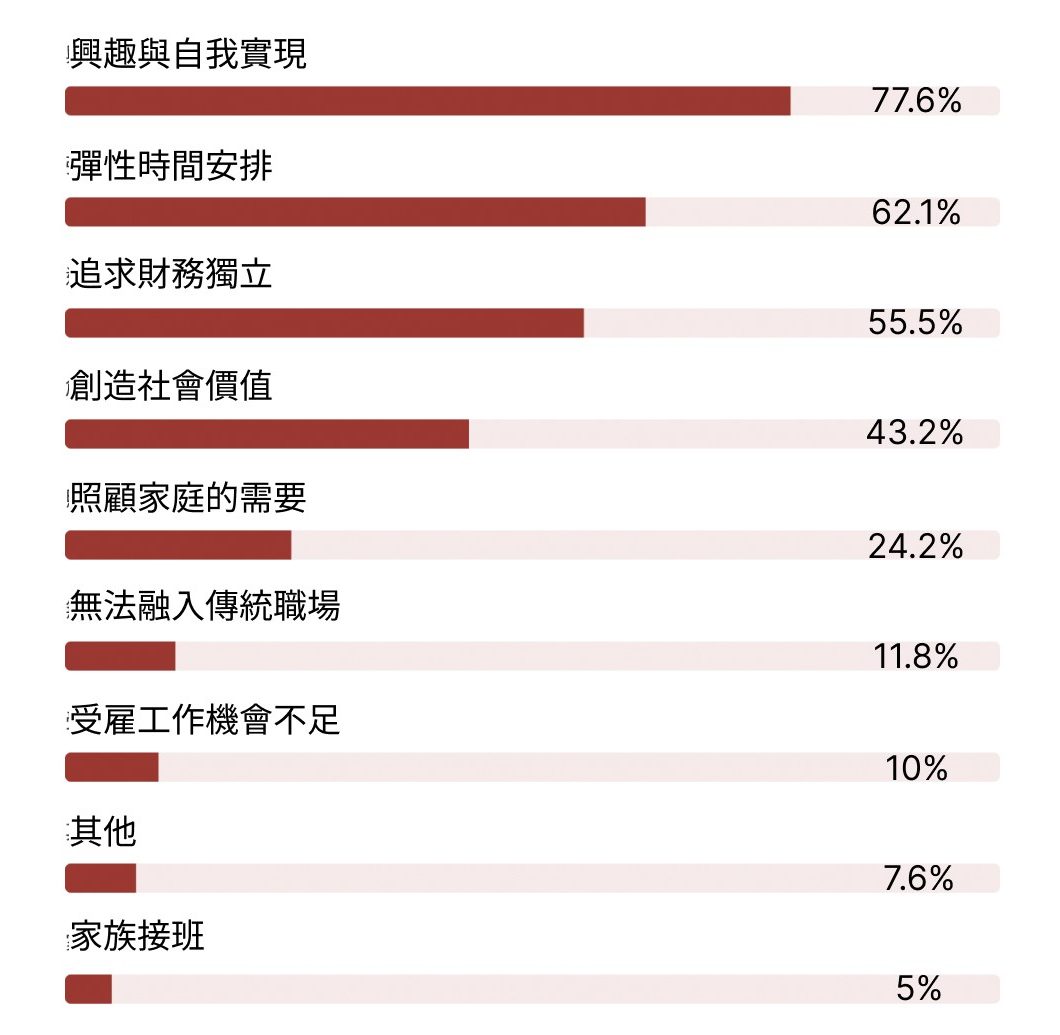
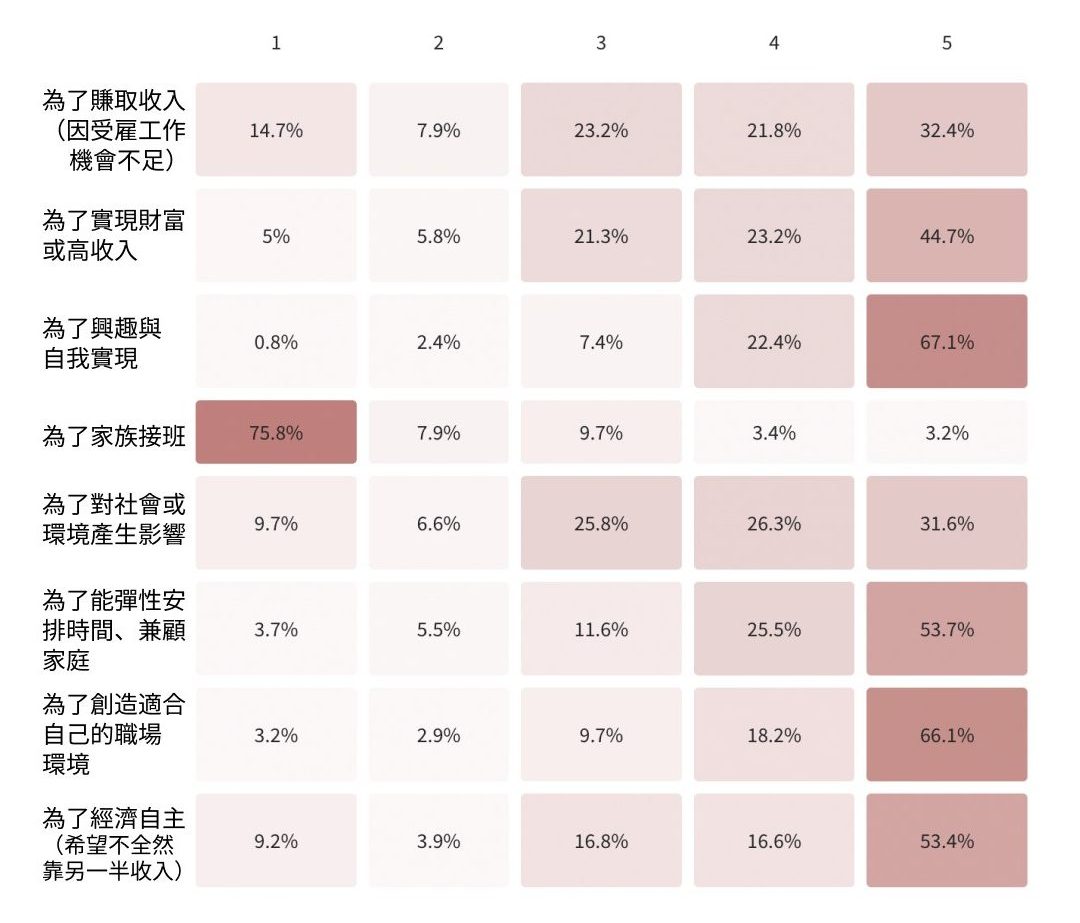
The top three motivations for female entrepreneurs were “interest and self-fulfilment,” “flexible working hours,” and “financial independence.” In the importance ratings, “balancing family and work,” “autonomy in working,” and “personal growth and sense of achievement” also received relatively high scores.
By contrast, “limited employment opportunities” and “difficulty integrating into the traditional workplace” received lower ratings. Overall, the results suggest that a focus on quality of life and self-worth is a key driver of female entrepreneurship.
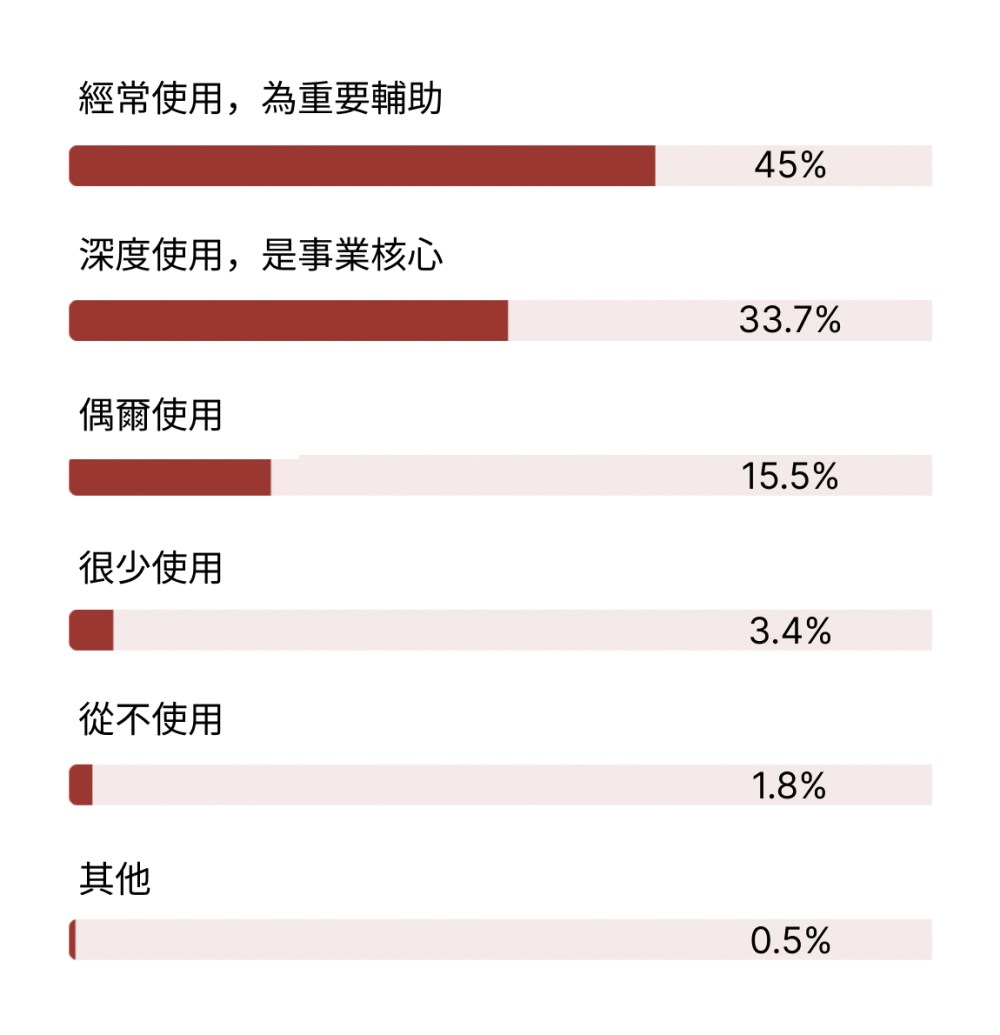
Up to 78.7% of respondents, using digital tools intensively or frequently, include social media marketing, AI, or digital platforms as central or important support in their business operations.
Innovation in Service Design and User Experience
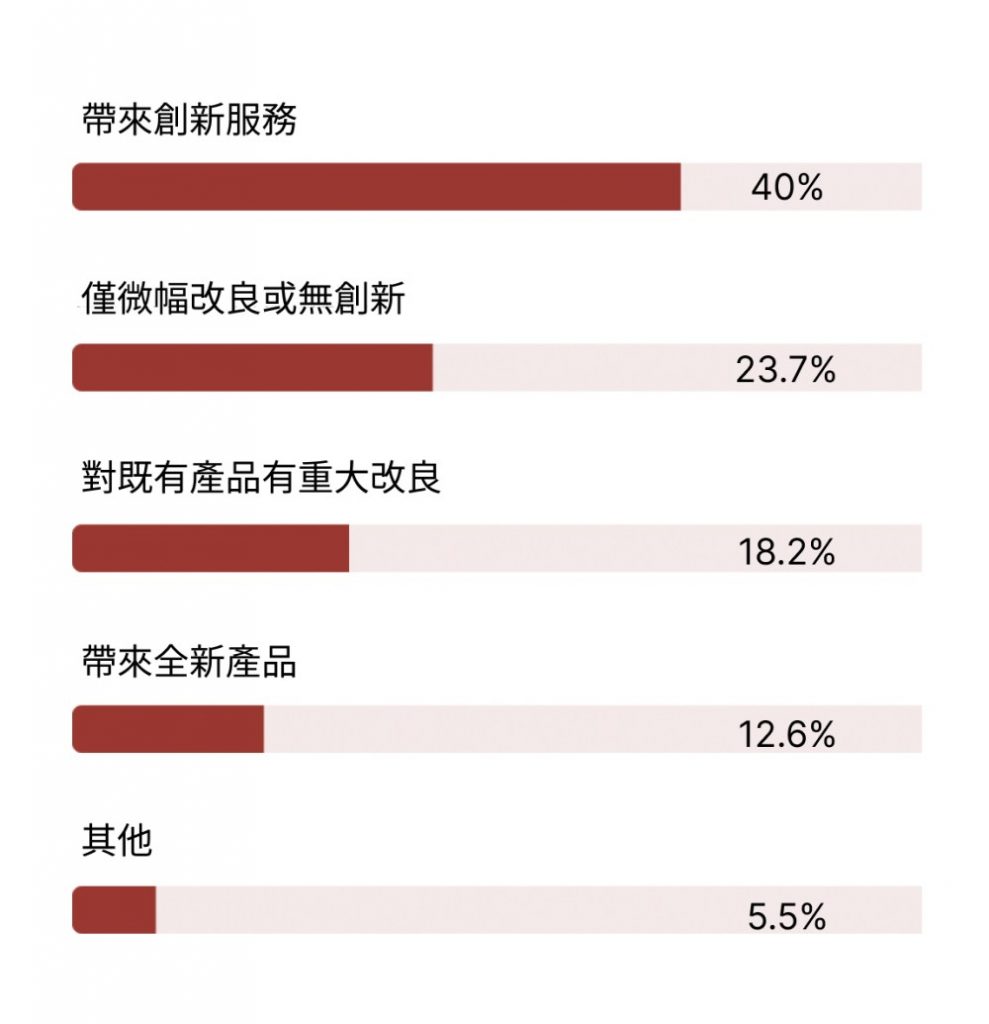
Most female entrepreneurs focus their innovation on service innovation (40%) rather than developing entirely new products (12.6%), indicating that their entrepreneurial approach centres on service design, user experience, and business model innovation, rather than capital-intensive technology or product R&D.
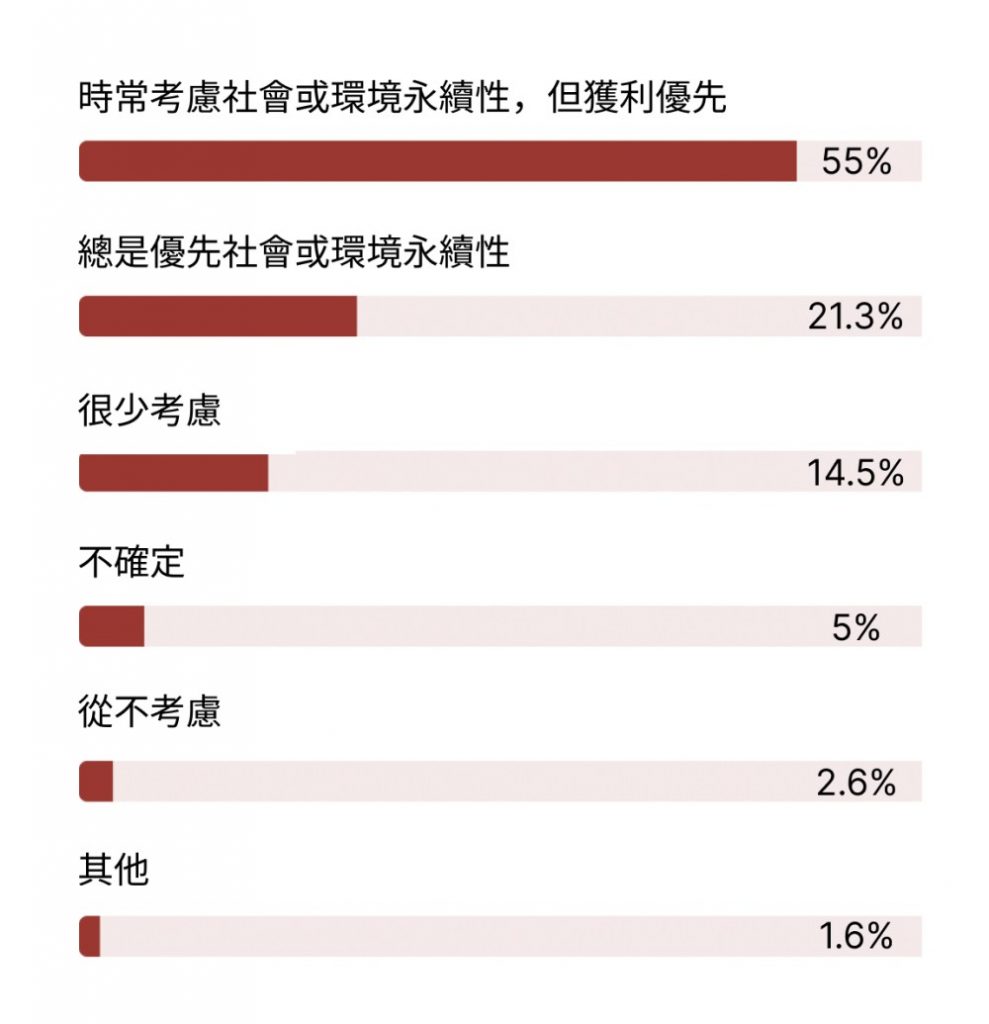
Practicality Meets Sustainability: ESG and Social Value at the Core
Their business strategies are not solely focued on profit; they aim to balance financial performance with social value or environmental impact. This approach also reflects women’s multitasking abilities and their capacity to consider multiple dimensions.
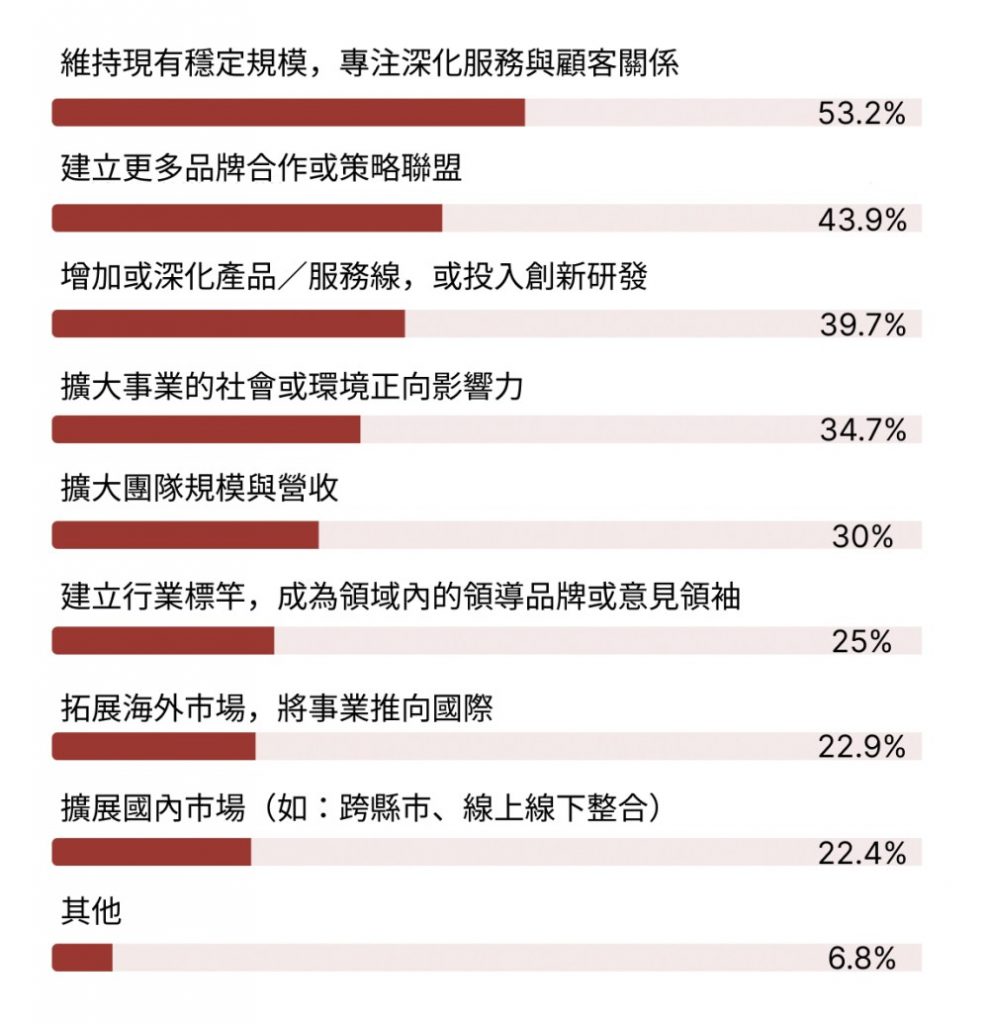
Female entrepreneurs do not see scaling up as the only target; they focus on running their businesses steadily while deepening value. They tend to adopt sustainable, flexible, and relationship-oriented approaches, prioritizing long-term impact and social value, rather than chasing rapid or high-risk expansion.
Taiwan Women Entrepreneur Spotlight | Fanny Zheng, Co-founder of Lapangu